



Centuripe pottery
It is a product of the Hellenistic period (3rd century BC to 2nd century BC), known for its exquisite decoration and colorful glaze. This type of pottery is commonly used in tombs and has important cultural and symbolic significance. The characteristics of Centuripe pottery are its complex decorative applications and exquisite post firing painting. Usually depicting wedding scenes, such as the bride being surrounded by bridesmaids, reflecting the social customs and religious beliefs of the time. These funeral pottery pieces are not only works of art, but also important materials for studying ancient Sicilian culture and religion. It demonstrates the profound influence of ancient Greek culture on Sicily.

Maiolica Italian style medicine jar - Hunter Museum in Limerick
It is a type of painted pottery originating from the Italian Renaissance period, known for its bright colors and exquisite decorations. Its shape is cylindrical at the waist, which makes it easy to carry and store medication. The center front of the medicine jar is decorated with an oval shaped portrait of a man, surrounded by exquisite leaf shaped patterns and carving techniques. These decorations are mainly in blue, yellow, and white, showcasing the unique colors and artistic style of Majorica pottery. Portrait painting emphasizes the personality traits of characters, rather than traditional beauty or handsomeness, reflecting the Renaissance's emphasis on character and inner qualities.

Nazca Cultural Container
It is a pottery item in the Bonn American Collection series. This container has a spherical bottom and an S-shaped side profile. It is a colorful painted pottery with a face image painted on it. This container originates from Peru and belongs to the Nazca culture. In 1975, it entered H. as a donation gift Senff's collection. The Nazca culture is renowned for its exquisite pottery and textiles, which not only showcase the daily lives of the Nazca people but also reflect their religious beliefs and worldview. As a representative of Nazca culture, it provides us with important clues to understand this ancient civilization.

Popular Models

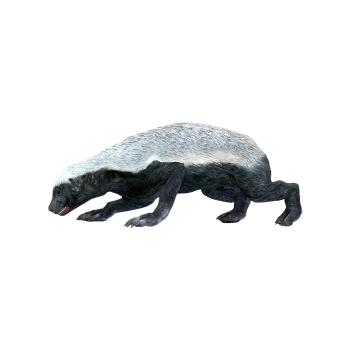
Honey Badger (3D animated model)
194 View
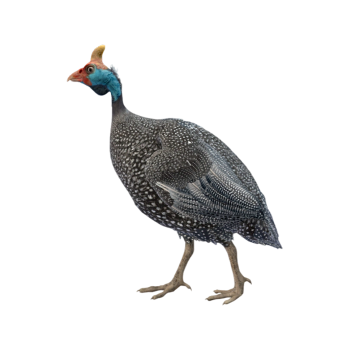
Guinea fowl (3D animated model)
165 View

Wild Goose (3D animated model)
187 View
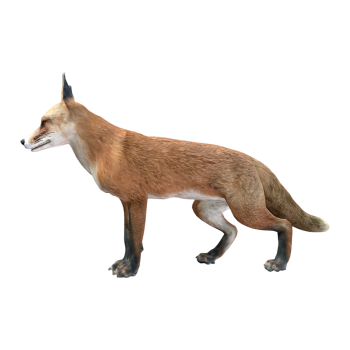
Red Fox (3D animated model)
155 View
Random Model

European spruce (Norway spruce)
472 View
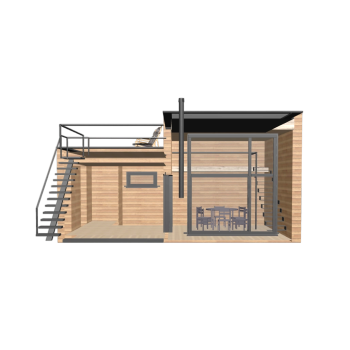
Summer Cottage
527 View


3D model of conch shell
924 View
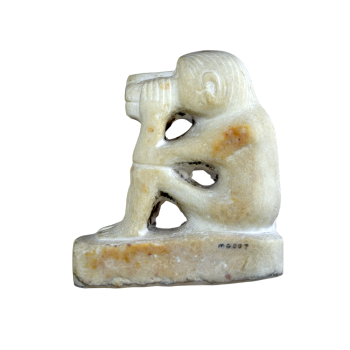


Horus bust (supports 3D printing)
700 View

Puma Tazon 6 Shoe Casual Shoes
793 View

Gabon red soil samples
829 View